
Common Causes of Workplace Fires
Workplace fires rarely come from nowhere — they usually trace back to a handful of recurring causes: faulty electrical equipment, improper storage of flammable materials, blocked ventilation around heat sources, and poor housekeeping that lets combustible waste build up.
Understanding these patterns is the first step in preventing them, which is why fire risk assessment is a core part of most HSE certifications.
Prevention Measures
A solid fire prevention plan typically includes:
- Regular electrical inspections and safe cable management.
- Proper storage and labelling of flammable and combustible materials.
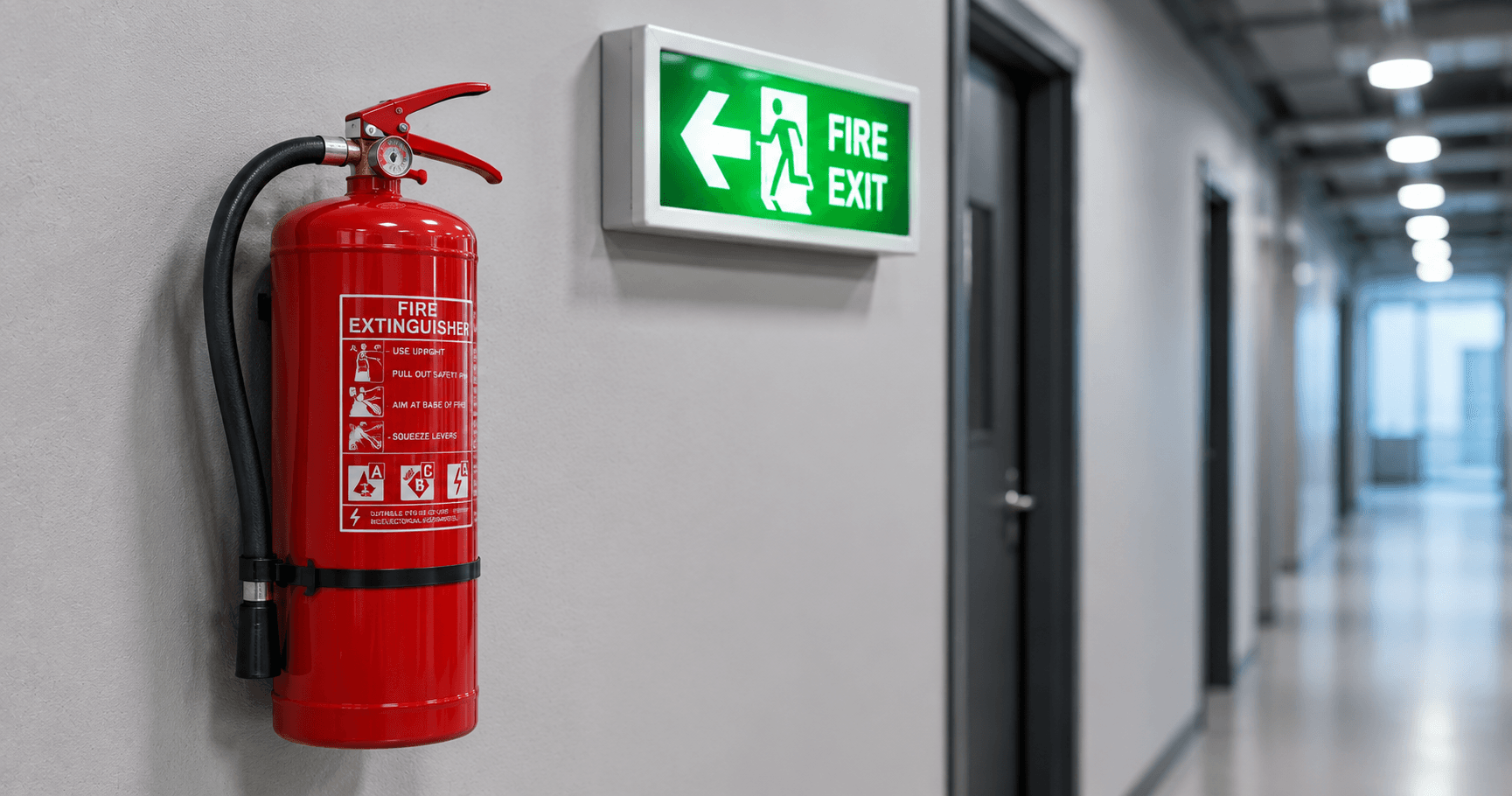
- Clear, unobstructed fire exits and escape routes at all times.
- Routine housekeeping to prevent waste and debris build-up.
- Scheduled testing of fire alarms, extinguishers, and sprinkler systems.
Emergency Response Planning
Prevention reduces risk, but every workplace still needs a clear response plan:
Evacuation Procedures
Clearly marked routes, assembly points, and regular fire drills so employees react automatically rather than freezing under pressure.
Firefighting Equipment
The right type and number of extinguishers for the specific fire risks present, placed where they're actually needed.
Trained Fire Wardens
Designated staff trained to guide evacuation, do headcounts, and liaise with emergency services.
Post-Incident Review
Every fire or near-miss should be investigated to identify what failed and update the plan accordingly.
Conclusion
Fire safety isn't a one-time checklist — it's an ongoing cycle of assessment, prevention, and preparedness. HSE professionals who understand both the technical and human sides of fire risk are the ones who keep workplaces genuinely safe when it matters most.
Strengthen your fire safety knowledge
Our HSE courses cover fire risk assessment and emergency response in depth.