
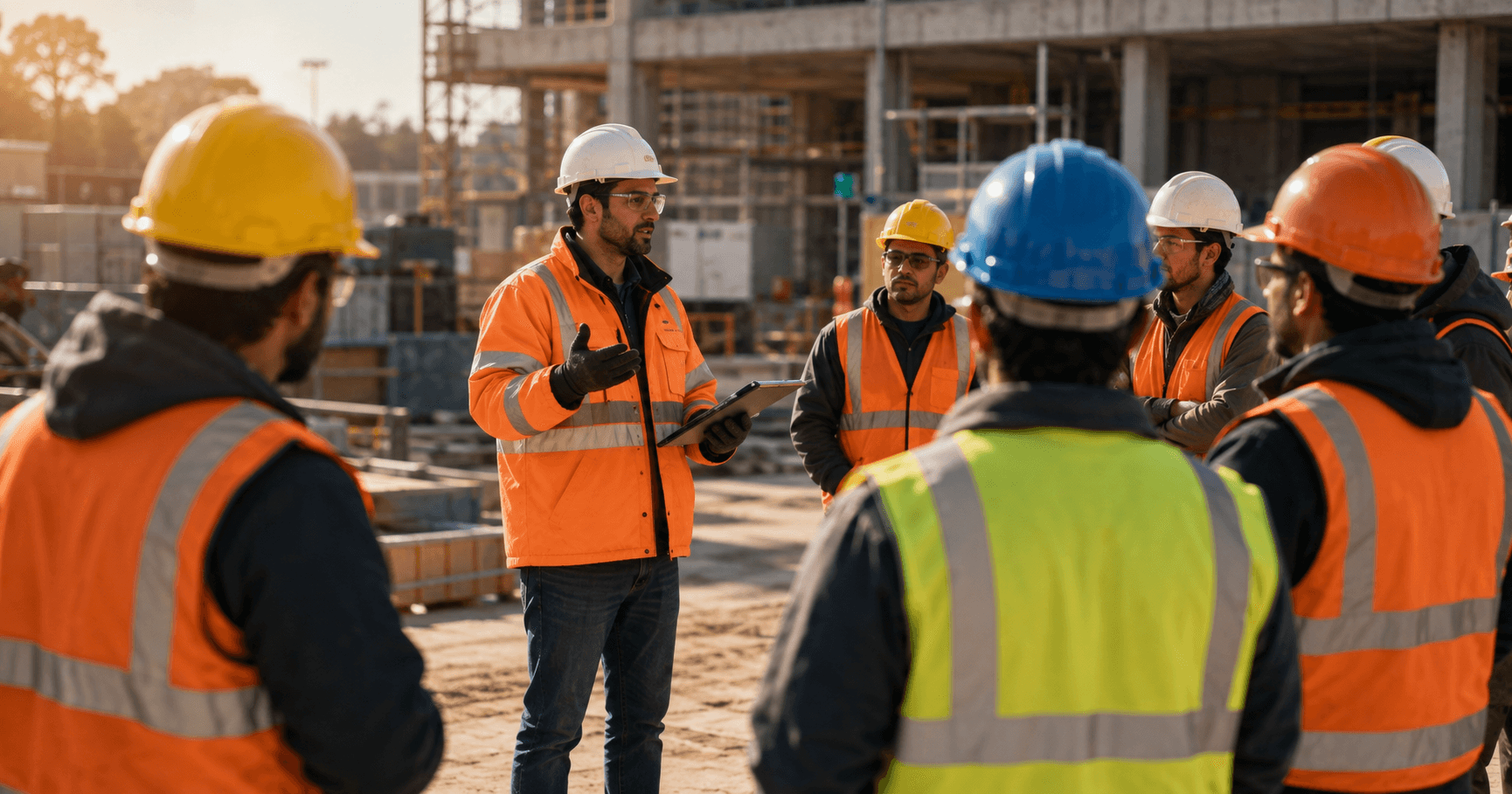
Morning: Site Checks and Toolbox Talks
The day usually starts with a walkthrough before work begins — checking that PPE is available, walkways are clear, and equipment looks safe to operate. Many HSE officers then lead or attend a toolbox talk, a short briefing where the day's specific hazards and precautions are discussed with the workforce.
Midday: Inspections and Reporting
Mid-morning through early afternoon is typically spent on formal inspections — checking scaffolding, machinery guards, fire extinguishers, and permits-to-work. Findings get logged, and any non-conformities are raised with site supervisors immediately rather than left for later.
Documentation takes up a meaningful chunk of the day too: inspection checklists, risk assessments, and updates to the site safety file all need to be kept current.
Afternoon: Incidents and Follow-Ups
If an incident or near-miss occurs, the HSE officer's afternoon can shift entirely — investigating what happened, interviewing those involved, and recommending corrective actions to prevent a repeat. On quieter days, this time is used for training sessions, audits, or preparing reports for management.
The Challenges
The hardest part of the job isn't usually technical — it's influence. Getting a busy site team to pause and follow procedure, especially under deadline pressure, takes communication skills and credibility that come with experience and solid certification behind you.
Conclusion
No two days look exactly alike, but the thread running through all of them is the same: spotting risk before it becomes an incident. It's a role that rewards attention to detail, steady communication, and genuinely caring about the people you're working alongside.
Thinking about a career as an HSE officer?
Get certified with NEBOSH, OSHA, or IOSH and start your journey.